
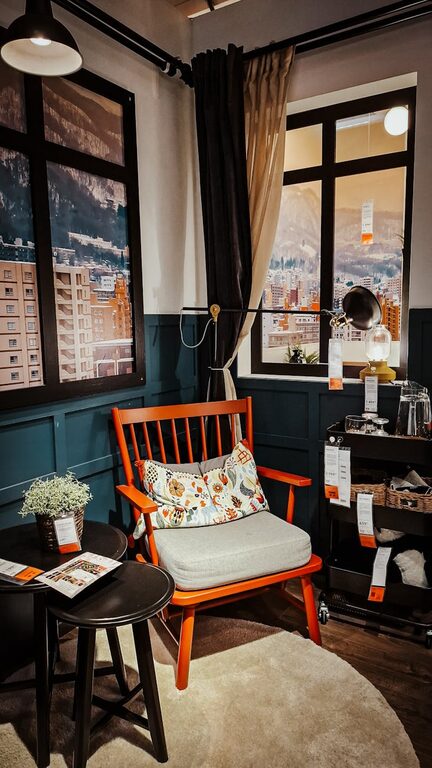
Creating a comfortable and inviting atmosphere in your home often starts with the right lighting. Whether you’re reading a book, cooking dinner, or relaxing after a long day, the lighting in your space plays a crucial role in your comfort and mood. However, choosing the perfect lighting can be overwhelming with so many options available. This post will guide you through practical tips for selecting comfortable home lighting to brighten your living spaces effectively and beautifully.
Why Comfortable Lighting Matters
Lighting does more than just illuminate a space. It affects how we feel, influences our productivity, and highlights the room’s design. Uncomfortable lighting — too harsh, too dim, or the wrong color — can strain your eyes and make spaces less welcoming. In contrast, comfortable lighting enhances your home’s ambiance and supports your daily activities.
Understand the Different Types of Lighting
Before choosing your lighting, it’s important to know the three main types:
– Ambient Lighting: This is the general, overall light that fills a room. It provides uniform illumination so you can move around safely.
– Task Lighting: Focused lighting meant for specific activities like reading, cooking, or working at a desk.
– Accent Lighting: Decorative lighting that highlights particular features such as artwork, plants, or architectural details.
Balancing these lighting types helps create a layered effect, adding depth and comfort to your rooms.
Tips for Choosing Comfortable Home Lighting
1. Consider the Purpose of the Room
Different rooms have different lighting needs. For example:
– Living Room: A mix of ambient and accent lighting works well. Use dimmable ceiling lights or lamps so you can adjust brightness.
– Kitchen: Bright task lighting is essential for cooking areas. Under-cabinet LED strips can help illuminate countertops.
– Bedroom: Soft, warm lighting supports relaxation. Avoid bright overhead lights; opt for bedside lamps instead.
– Home Office: Focused, glare-free task lighting is key for long hours at a desk.
2. Choose the Right Bulb Color Temperature
Bulb color temperature affects the mood and feel of a room:
– Warm White (2700K-3000K): Creates a cozy, relaxing atmosphere, ideal for bedrooms and living areas.
– Cool White (3500K-4100K): More neutral, suitable for kitchens and bathrooms.
– Daylight (5000K-6500K): Mimics natural daylight, better for reading and working but can feel harsh if overused.
Selecting bulbs with appropriate color temperature helps maintain comfort and function in each space.
3. Opt for Adjustable Lighting
Lighting that can be dimmed or adjusted offers flexibility and improved comfort. Installing dimmer switches or choosing smart bulbs that allow you to control brightness and color temperature via an app can adapt the lighting based on time of day or activity.
4. Pay Attention to Light Placement
Where you place light fixtures affects comfort and usability. Avoid placing lights directly in front of screens or workstations to reduce glare. Use wall sconces to provide soft ambient lighting, or place table lamps in corners to brighten darker areas without overwhelming the room.
5. Incorporate Natural Light Whenever Possible
Maximizing natural light improves mood and reduces energy consumption. Use light curtains or blinds that allow sunlight to enter while diffusing harsh rays. Arrange furniture to make the most of window lighting during the day.
6. Select Lampshades That Soften Light
The material and color of lampshades influence the light’s quality. Fabric or frosted glass shades diffuse light gently, reducing glare and creating a warm glow. Avoid shades that are too dark or reflective since they can cause harsh shadows or scatter light unevenly.
7. Use Energy-Efficient Bulbs
Comfortable lighting doesn’t mean sacrificing efficiency. Modern LED bulbs offer a wide range of color temperatures and brightness levels while consuming less energy and lasting longer. Consider LEDs when upgrading your home lighting system.
8. Match Lighting to Your Style
Functional lighting can also be decorative. Choose fixtures that complement your home’s interior design — whether modern, classic, rustic, or eclectic. Combining style with comfort improves your overall satisfaction with the space.
Quick Checklist for Comfortable Home Lighting
– Assess the function of each room before choosing lighting
– Select bulb color temperatures that suit the activity and mood
– Use dimmers or adjustable lighting solutions
– Position lights to minimize glare and maximize usability
– Incorporate natural light and use window treatments thoughtfully
– Choose lampshades that diffuse light softly
– Opt for energy-efficient LED bulbs
– Balance style and practicality when selecting fixtures
Conclusion
Choosing comfortable home lighting is about creating a pleasant environment that fits your lifestyle and enhances your living spaces. By considering room function, bulb color temperature, light placement, and your personal style, you can design a lighting plan that is both practical and inviting. Experiment with different lighting types and settings to find what works best for you. With these tips in hand, your home will be a bright, cozy retreat all year round.