
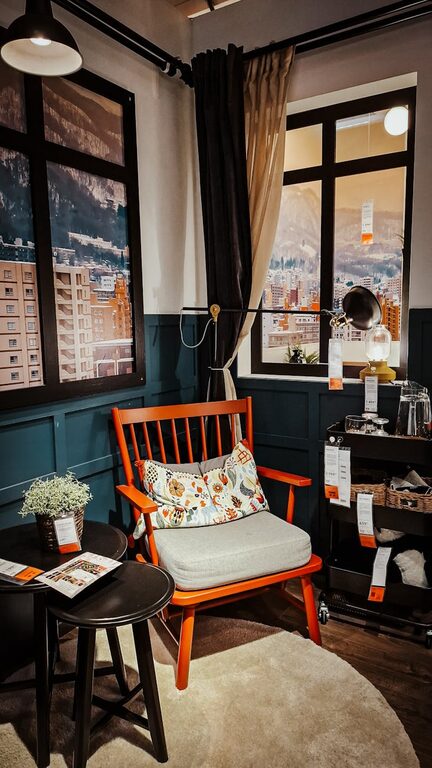
Creating the perfect lighting for your home is more than just turning on a bulb. The right lighting can transform your space, enhance your mood, and even improve how you interact with your environment. However, choosing comfortable home lighting can sometimes feel overwhelming with so many options available. This guide will walk you through key tips to help you select lighting that is both practical and pleasant for your living spaces.
Understanding the Importance of Comfortable Lighting
Comfortable lighting affects how we feel and function in our home. Harsh, overly bright lights can cause eye strain and discomfort, while dim or poorly placed lights might make tasks difficult and your space less inviting. Good lighting balances functionality with ambiance, making your rooms feel cozy, warm, and welcoming.
Assess Your Lighting Needs by Room
Different rooms serve different purposes, so the lighting needs vary accordingly.
Living Room
The living room is where you relax, entertain guests, and spend quality time. Aim for a balance of ambient light with softer task lighting such as reading lamps or sconces. Use dimmers to adjust brightness based on your mood or activity.
Kitchen
Bright, clear lighting is essential in the kitchen to help with cooking and food prep. Consider bright overhead lighting paired with under-cabinet lights focused on countertops.
Bedroom
Focus on soft, warm light that creates a soothing atmosphere. Avoid harsh fluorescents and instead choose lamps or fixtures with adjustable brightness to help you wind down before bed.
Bathroom
Good task lighting around mirrors is critical for grooming. Combine it with gentle ambient lighting to avoid sharp shadows.
Choose the Right Light Bulbs
Light bulbs greatly impact comfort through color temperature and brightness.
– Color Temperature: Measured in Kelvin (K), this determines the warmth or coolness of light. For comfortable home lighting:
– Warm white (2700K-3000K) is cozy and relaxing.
– Neutral white (3500K-4100K) is good for kitchens and workspaces.
– Cool white (5000K+) is similar to daylight, useful for task areas but can feel harsh if overused.
– Brightness: Measured in lumens, brighter bulbs are needed for workspace lighting, while softer lighting works well in relaxation areas.
– Energy Efficiency: LED bulbs use less energy and last longer, making them a smart, comfortable choice.
Layer Your Lighting
Combining different types of lighting creates depth and flexibility.
– Ambient Lighting: The general light that fills a room, often from ceiling fixtures.
– Task Lighting: Focused light for specific activities such as reading or cooking.
– Accent Lighting: Highlights artwork, plants, or architectural features, adding visual interest.
Using a mix of these lights with adjustable options like dimmers or smart controls allows you to adapt the comfort level throughout the day.
Consider Fixtures and Placement
The design and positioning of light fixtures also influence comfort.
– Avoid placing bright light directly in your eyes or creating glare on screens and reflective surfaces.
– Use lampshades or diffusers to soften and spread light evenly.
– Wall sconces and floor lamps can fill shadows and reduce eye strain.
– Think about fixture height: hanging lights too low in living or dining areas can be uncomfortable, while recessed lighting provides subtle, uniform illumination.
Use Smart Lighting Solutions
Smart bulbs and lighting systems offer convenience and customization.
– Adjust brightness and color temperature with a tap on your phone or voice commands.
– Set schedules that mimic natural daylight patterns to boost comfort and well-being.
– Experiment with scenes and presets for different activities, like reading, relaxing, or entertaining.
Tips for Enhancing Natural Light
Natural light is the most comfortable and energizing light source. To maximize it:
– Use sheer curtains to diffuse sunlight without blocking it.
– Position mirrors opposite windows to reflect light deeper into the room.
– Keep windows unobstructed of heavy furniture or dark drapes during daytime.
Final Thoughts
Choosing comfortable home lighting is about finding the right balance between aesthetics, function, and personal preference. By understanding your needs per room, selecting appropriate bulbs, layering light sources, and considering fixture placements, you can create a warm and inviting home environment. Remember, comfortable lighting is not one-size-fits-all, so feel free to experiment and customize your choices until your lighting feels just right.
With these tips, you’re well on your way to illuminating your home both beautifully and comfortably. Happy lighting!